One roster. Eight games. One living home. One connected world.
A detailed bilingual guide to Photon 47: story, controls, shared progression, eight competitive and tactical games, the living hub, signature heroes, online play and beginner strategy.
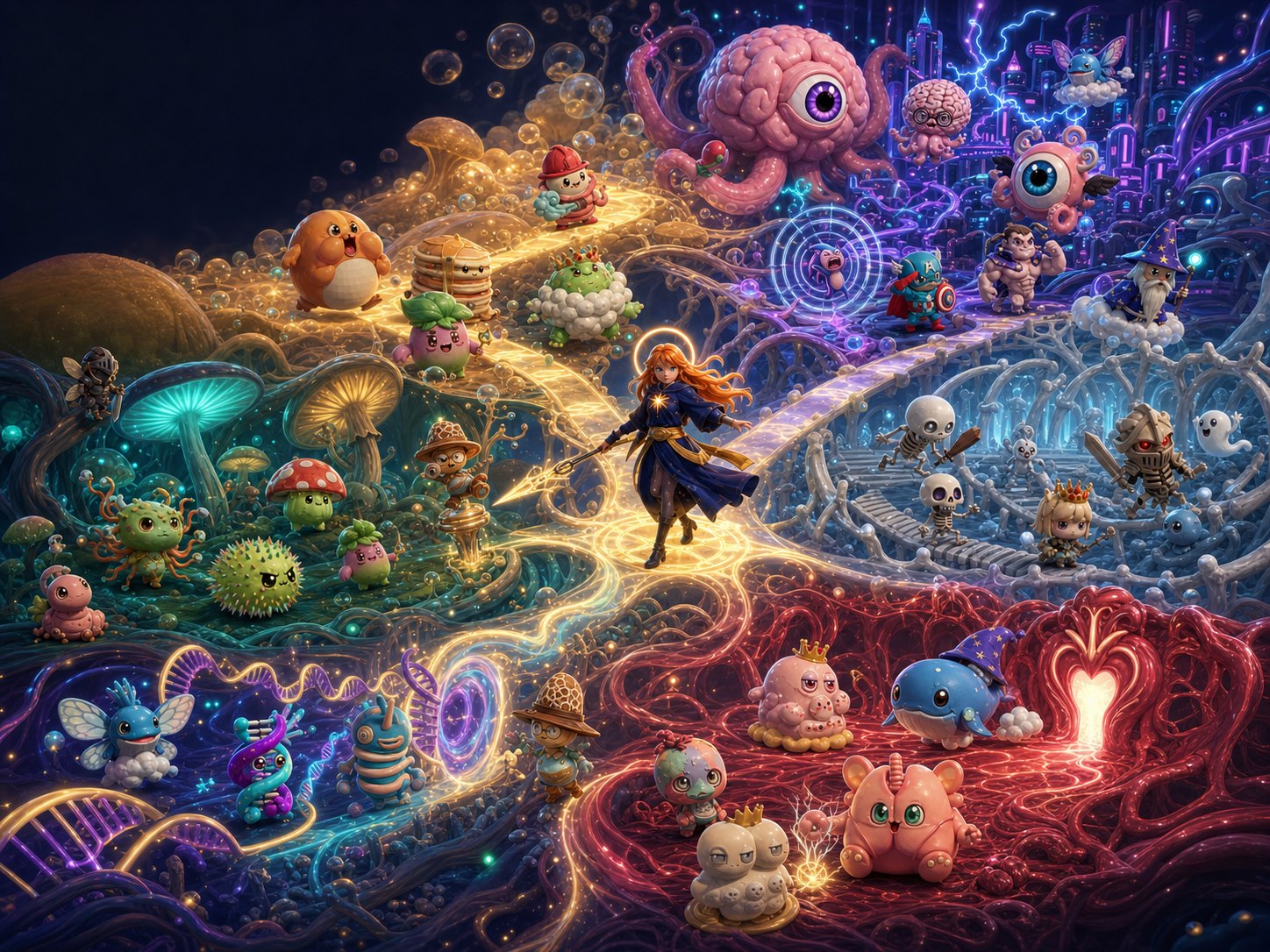
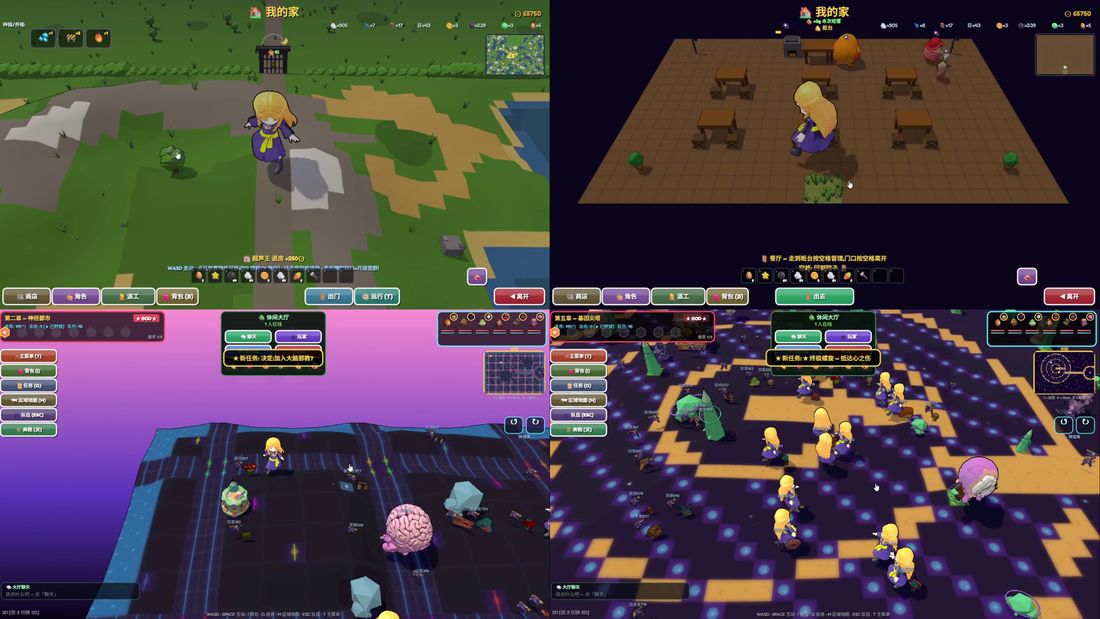
Photon 47 / 47号光子 is a free browser-based creature RPG and multiplayer arcade set inside a connected living body-world. You are the forty-seventh Wanderer, crossing Gut Plains, Neuro City, Spore Forest, Bone Citadel, Gene Spire, Liminal Loop and the Heart Wound while the body around you changes, remembers and fights back.
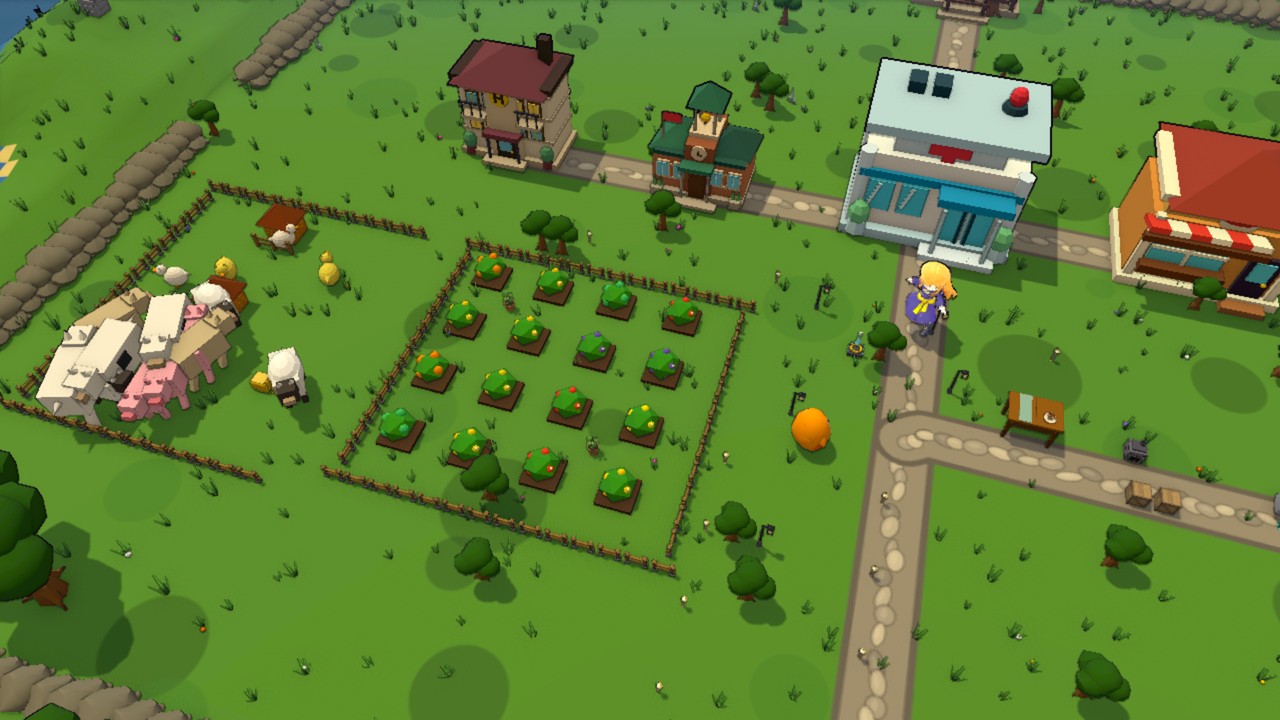
The same 45 playable heroes—and their personalities, roles and signature mechanics—travel with you through Story, a 5v5 MOBA, first-person combat, deck warfare, Auto Chess, turn-based Brawl and living 3D chess. The arcade also hosts casual Photon Hold'em against a sampled AI or one invited friend. Between matches, return home to farm, build, craft, run businesses and meet other players.
One roster. Eight games. One living home. One connected world.
01
Start playing in 60 seconds
01Open photon47.com/play in a current desktop browser. Let the loading bar complete before entering a 3D scene.
02Choose English or 中文, then select New Game or Continue. Story is the clearest first stop because it introduces movement, interaction, bonding and the shared roster.
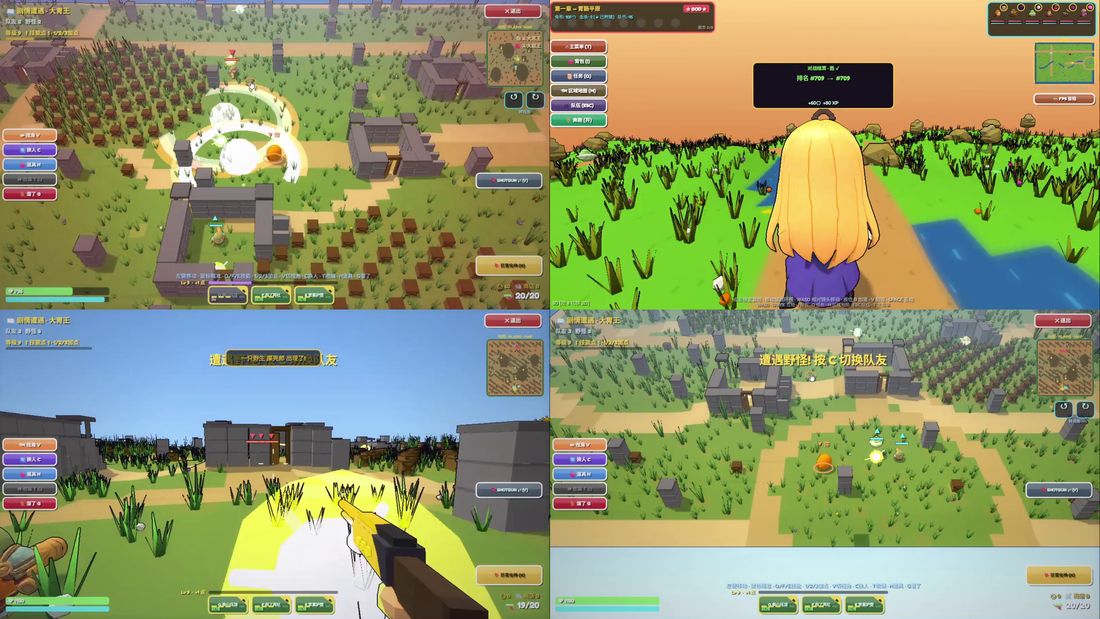
03Move with WASD or click-to-move, press E/Enter to interact and Space/J to jump, then follow the first quest marker. Open the mode menu whenever you want a competitive match or a different camera.
04Sign in when you want cloud saves, persistent ranked progress, friends and chat. Solo play against AI remains available across the major experiences.
Best first route: Story → bond a creature → visit Home → try one short Arena Rush or Brawl match.
02
Controls at a glance
Exploration & Story
WASD / arrows / clickMove through the world
E / EnterTalk, inspect or interact in Story exploration
Space / JJump in Story exploration
Shift / BSprint or dash when the current view allows it
I · Q · MInventory · quests · regional map
VSwitch the available Story camera/view
EscSquad/achievement panel or release pointer lock
1–4 / clickChoose a battle skill, then select a target
Rift Siege / MOBA
WASDMove your hero
ClickBasic attack or select a target
Q · F · EThree hero abilities
RUltimate, unlocked at level 6
B · TabShop/recall · scoreboard
FPS Arena
Click canvasCapture the mouse and fire
WASD · mouseMove · look and aim
SpaceJump
Q · F · EHero skills
X · RUltimate · reload
Boards, cards & touch
Click / tapSelect cards, units, squares and actions
Arrows / WASDBrowse Pure Chess selections
KToggle touch controls on hybrid devices
2 fingersOn clear 3D board/world space, pinch to zoom or drag sideways to rotate. Keep single-finger taps for cards; FPS retains its dedicated controls.
03
The systems that travel with you
One hero identity across modes
The roster is not a set of unrelated skins. A hero's role, personality and signature ideas recur across Story, MOBA, FPS, Auto Chess, Arena Rush and Brawl, expressed in controls appropriate to each mode.
Bond creatures, then build a squad
In Story, weaken a bondable creature below 80% health and use a Phase Ball. Build a six-member squad whose roles cover damage, protection, control and recovery rather than choosing six copies of the same idea.
Levels, evolution and three skill trees
Heroes gain three points per level, evolve at levels 3, 6 and 9, and can learn up to 12 skills. Classic, FPS and MOBA trees keep independent point budgets so one experiment does not erase another loadout.
Readable systems with surprising interactions
Position, timing, terrain, summons, displacement, transformation and resource loops matter as much as raw damage. Many signature skills change the state of the fight rather than merely raising a number.
04
Eight games + one living hub
Learn a hero once, then meet that identity again through a new camera, tempo and objective.
01
SPEC · 01
Story
Seven regions · three viewpoints · one wounded body
7Chapters
21Canonical legs
15Quests
Objective
Cross all seven connected regions, solve each sealed gate, defeat its boss and uncover why the body-world is coming apart.
How a session flows
1Explore settlements and wilderness; talk to NPCs and accept quests.
2Fight or bond wild creatures, tune a six-member squad and gather clues from the region's inhabitants.
3Open the regional gate, enter the boss route and continue into the next organ-world.
4Switch between classic top-down, MOBA-like and FPS views where available; the map and encounter remain part of the same chapter.
Win condition / goal
Complete each chapter's gate, boss and onward route. Story progress—not a match timer—defines success.
ControlsWASD / click · E / Enter · Space / J · I · Q · M · V · Esc
Field notes
Talk to named villagers before grinding; regional puzzles are designed around information, not brute force.
In solo Neuro City, E/Enter boards any nearby yellow, teal or purple taxi, even while it is turning. WASD/arrows or a ground click/tap drive freely, just like top-down walking: turn or reverse anywhere, without waiting for a junction. Release keys or press Space to stop; E/Esc stops and exits. Touch direction buttons toggle movement and stop. Buildings, traffic and pedestrians still block the vehicle. Exiting parks the taxi; saves resume safely on foot. Driving is not yet available in co-op.
Beside a taxi and a building or service, E boards the taxi while Enter keeps the other interaction. Separate on-screen buttons let mouse and touch players choose either.
Solo chapter endings now lead through a playable anatomical passage with your active party. WASD/arrows or ground clicks move, Space jumps, and E/Enter at the far threshold enters the next chapter. Touch has direction and Jump buttons. Esc opens pause/save-and-return; Continue restores your passage checkpoint. These initial passages still use readiness loading and do not yet support co-op passage travel or reverse chapter routes.
Keep a defender and a recovery option in the squad before a boss portal.
Use the view that makes the current task readable: classic for exploration, FPS for spatial encounters, MOBA view for tactical spacing.
02
SPEC · 02
Rift Siege
A complete 5v5 MOBA in the same body-world
5v5Players
45Heroes
180Abilities
Objective
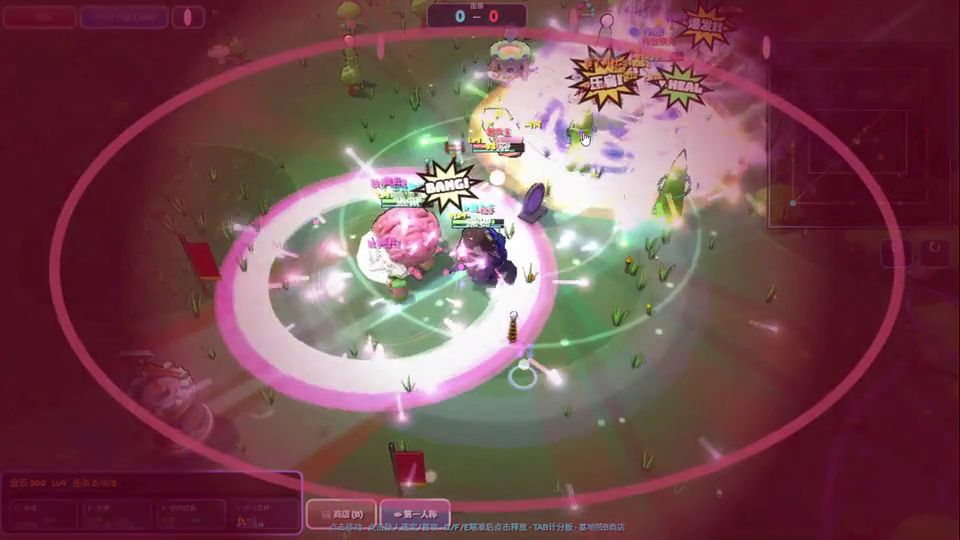
Push three lanes with four allies, break enemy towers and destroy the opposing Nexus before your own falls.
How a session flows
1Choose a hero and role, take a lane or jungle route, then secure experience and gold.
2Coordinate waves, towers, jungle camps and the fenced central Rift Tyrant objective.
3Buy items, unlock the ultimate at level 6 and convert won fights into structures rather than chasing indefinitely.
Win condition / goal
Destroy the enemy Nexus. Kills create opportunities; structures end the match.
ControlsWASD · click · Q/F/E · R · B · Tab
Field notes
F is the second ability because W is reserved for movement.
Enter the Rift Tyrant pit only with vision, numbers or a plan to disengage.
A balanced five-player composition is more reliable than five damage-only heroes.
03
SPEC · 03
FPS Arena
The shared roster, seen down a barrel
45Heroes
FPSView
4Variants
Objective
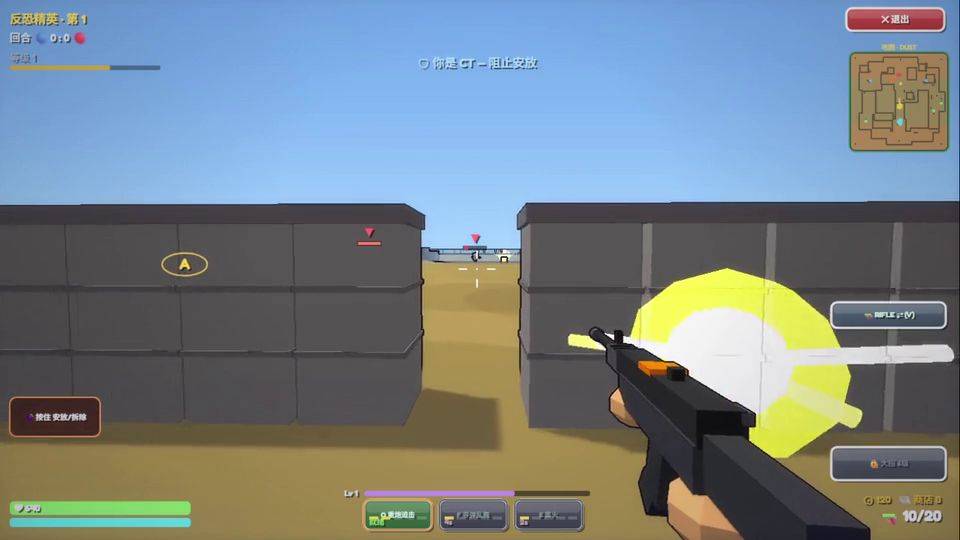
Aim, move and combine gunplay with hero abilities across Duel, team combat, CS-style attack/defend and cooperative survival variants.
How a session flows
1Click the arena to capture the pointer, choose sightlines and keep moving between cover.
2Use primary fire to pressure, then commit Q/F/E skills when a target is exposed or an objective is contested.
3Reload and reposition during quiet beats; save the ultimate for a fight that changes the objective state.
Win condition / goal
The win condition follows the selected variant: eliminate opponents, complete the attack/defend objective, or survive the waves.
ControlsClick · WASD/mouse · Space · Q/F/E · X · R · Esc
Field notes
Do not stare at one corridor; rotate between cover and listen for fights elsewhere.
Abilities are strongest when they solve a positioning problem, not when fired automatically on cooldown.
Press Esc if the mouse feels trapped, then click the canvas again when ready.
04
SPEC · 04
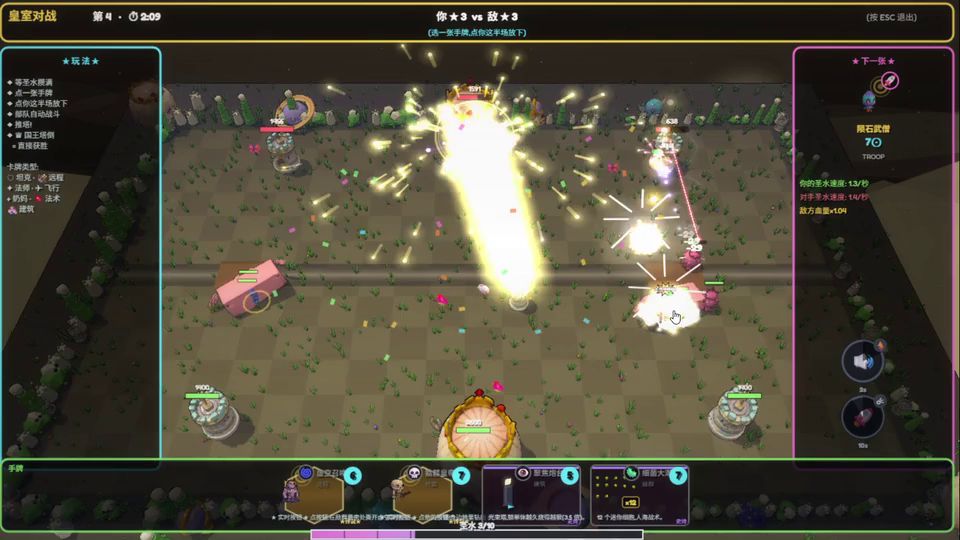
Arena Rush / Royale
Deck timing, lane pressure and immediate counterplay
285Cards
8Deck
ElixirResource
Objective
Build an eight-card deck, spend regenerating elixir to deploy units and spells, and take more towers than the opponent.
How a session flows
1Read the four-card hand and the opponent's last commitment before spending elixir.
2Select a card, deploy legal units on your half, and support a surviving defense as it crosses into a counterpush.
3Use spells and the mode skill buttons to break a formation, protect a push or finish a weakened tower.
Win condition / goal
Towers award stars; the higher star total wins. Destroying the King Tower ends the match immediately.
ControlsMouse / touch: select card → choose legal deployment point
Field notes
Keep enough elixir to answer the other lane; an empty bar is information your opponent can exploit.
Learn card roles before rarity. A cheap answer at the right tile beats an expensive answer placed late.
An eight-card deck needs pressure, defense, air coverage and at least one reliable response to swarms.
05
SPEC · 05
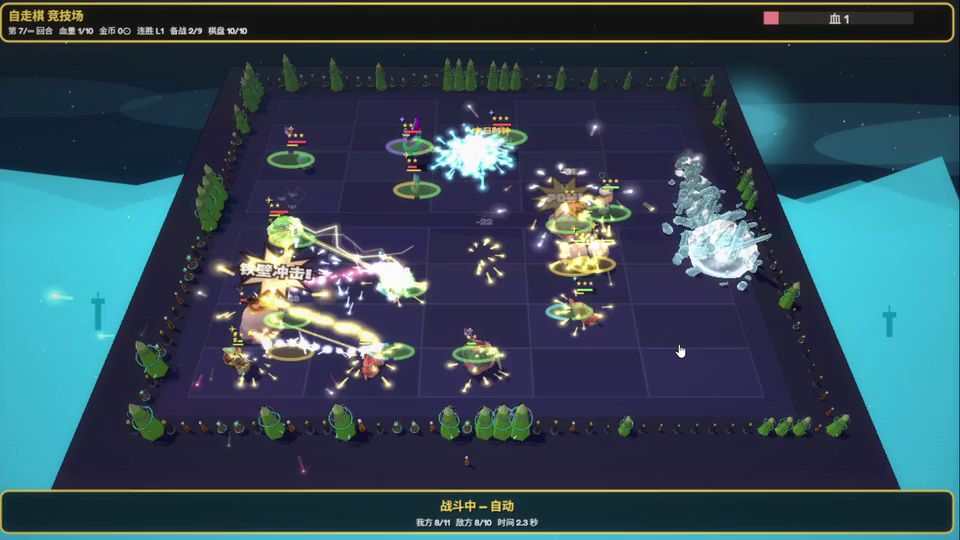
Auto Chess
Draft, position, upgrade—then let the board answer
45Units
5×4Board
5 + 5Traits
Objective
Build the strongest board economy by buying, combining and positioning heroes whose Race and Job traits reinforce one another.
How a session flows
1Buy from the four-card shop, decide whether to save, reroll or invest in an upgrade.
2Place units on the 5×4 board, merge matching copies and protect fragile damage dealers with a readable front line.
3Check Race and Job thresholds before combat, then watch the round resolve automatically and adapt to what actually happened.
Win condition / goal
Outlast opposing boards across repeated preparation and combat rounds.
Two active synergies with useful units are better than five incomplete trait counters.
Move tanks toward the likely first contact and keep ranged carries away from direct entry paths.
Treat each loss as scouting data: identify whether the problem was economy, targeting or positioning.
06
SPEC · 06
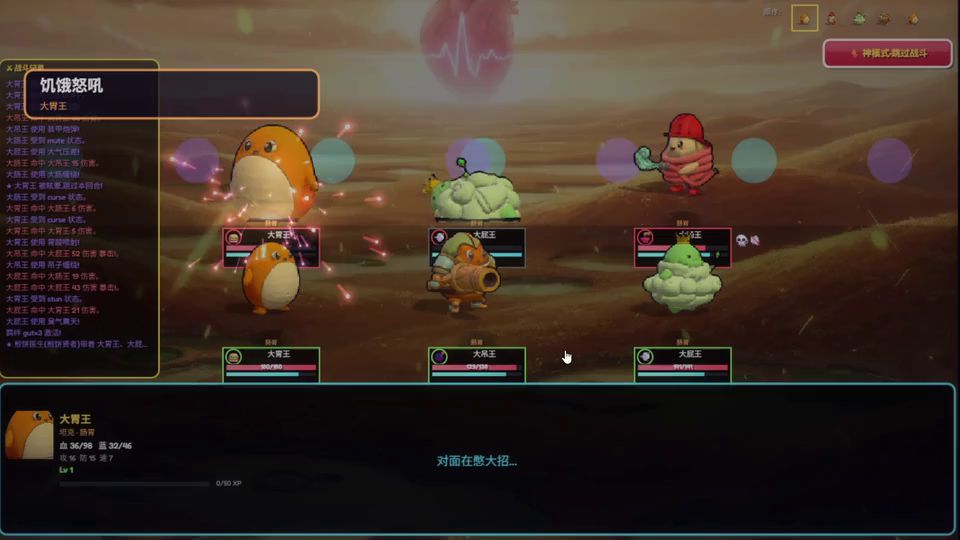
Brawl
Turn-based squads where signature mechanics collide
1–3v3Squads
215Unique skills
370Assignments
Objective
Assemble a 1v1, 2v2 or 3v3 squad and use timing, targets and hero-specific rules to eliminate the opposing team.
How a session flows
1Choose a squad whose abilities create a sequence: setup, control, damage and recovery.
2On each turn, select a skill and legal target; read cooldowns, status effects, summons and special prompts before confirming.
3Play one-off Random matches, or enter Roguelike Brawl and choose a lasting upgrade after each victory.
Win condition / goal
Reduce every opposing hero to zero health. In Roguelike, survive the run while your upgrade stack reshapes the squad.
ControlsClick / tap: skill → target → resolve special prompt
Field notes
A disabled enemy deals no damage; control can be the safest form of healing.
Some signature abilities open best-of-three rock-paper-scissors challenges—slow down and read the stakes.
In Roguelike, pick upgrades that reinforce an existing loop instead of collecting unrelated bonuses.
07
SPEC · 07
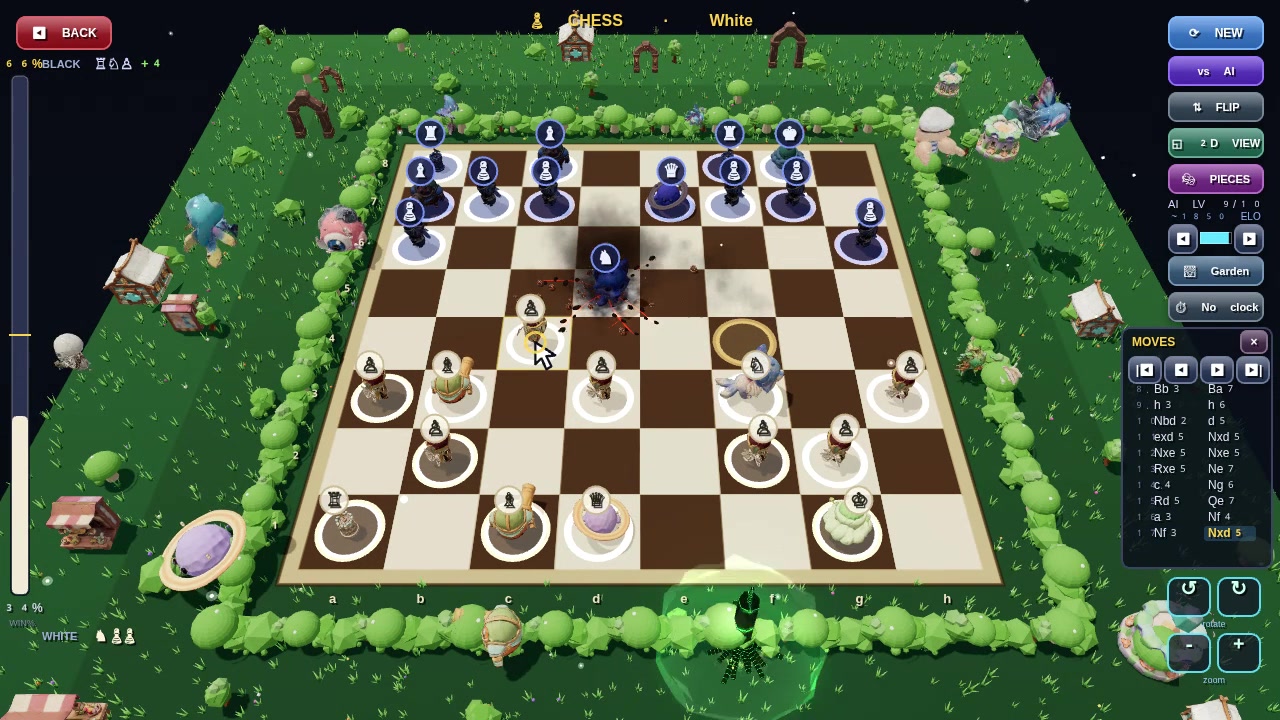
Pure Chess
Complete chess rules, inhabited by Photon 47
1–10AI levels
6Time presets
CompleteRules
Objective
Play standard chess with creature pieces, legal-move guidance and a configurable AI that continues thinking after every move.
How a session flows
1Choose side, time control and AI level 1–10, then select a piece to reveal legal destinations.
2Develop pieces, contest the center and use the move history to review the position rather than moving on impulse.
3The rules include castling, en passant, promotion, check, checkmate and draw handling.
Win condition / goal
Checkmate the opposing king, or reach a recognized draw under standard chess rules.
ControlsClick / tap · arrows/WASD to browse selections
Field notes
Before every move, scan checks, captures and threats for both sides.
Increase AI strength gradually; a level that still lets you explain your mistake teaches more than an opaque defeat.
Use a comfortable clock while learning, then shorten it only after your opening routine is stable.
08
SPEC · 08
Photon Hold'em
Casual heads-up cards with exact chip accounting
Heads-upTable
500Chip cap
CasualQueue
Objective
Build the strongest five-card hand—or represent one convincingly—across a complete heads-up fixed-limit Hold'em hand.
How a session flows
1Top up a bounded arcade-chip wallet, choose the sampled solo AI or invite exactly one friend, then post the blinds.
2Check, call, raise or fold through pre-flop, flop, turn and river; the table advances all-in states and refunds unmatched chips exactly.
3At showdown, only legal visible cards are revealed. Completed hands settle once and can recover safely after a refresh or reconnect.
Win condition / goal
Win the pot while managing a finite casual chip stack. Photon Hold'em has no public rating or ranked queue.
ControlsClick / tap: check · call · raise · fold
Field notes
Position changes each hand; use the button to distinguish who acts first after the flop.
A fold protects the rest of your stack. Do not call simply because chips are already in the pot.
Friend games are casual by design: private cards stay endpoint-only, and Poker is excluded from public score and ELO boards.
09
SPEC · 09
Home, Arcade & Leisure Hall
A living place between matches
15Crops
6Animal types
7Ores
Objective
Create a persistent home, grow resources and relationships, operate small businesses, play arcade activities and share a social space.
How a session flows
1Place and organize furniture, buildings and practical stations so the home reads as a place rather than a storage grid.
2Plant 15 crops, raise six animal types, mine seven ores and turn materials into recipes or business inputs.
3Assign workers, visit facilities and the arcade, then enter the shared Leisure Hall to meet and text-chat with players.
Win condition / goal
There is no single match victory. Progress is the home, collection, economy and community you choose to develop.
ControlsWASD / click · Space · placement and management panels
Field notes
Start with a short production loop you can complete reliably before expanding every business at once.
Leave clear walking routes around furniture and workstations.
The hub is a breather, not a chore list—switch back to a game mode whenever the next task stops feeling playful.
05
Seven regions, one continuous journey
Each chapter has three canonical journey legs and its own color, ecology, inhabitants, boss and information-driven gate. The world changes character without becoming a disconnected level select.
CHAPTER I
Gut Plains
A warm, restless frontier of digestion, pressure and first bonds.
Boss
The Bile Mother
Gate
Sealed Bile Grate
CHAPTER II
Neuro City
Signals become streets, memory becomes architecture and thought becomes pursuit.
Boss
Megamind
Gate
Cortex Vault
CHAPTER III
Spore Forest
A luminous colony where growth, decay and imitation share the same roots.
Boss
Spore Father
Gate
Spore-Lock Ring
CHAPTER IV
Bone Citadel
A pale fortress of load, memory and defenses that refuse to yield.
Boss
Bone Sovereign
Gate
Marrow Mill
CHAPTER V
Gene Spire
A vertical laboratory where identity can be edited, copied and weaponized.
Boss
The Helix Titan
Gate
Helix Lock
CHAPTER VI
Liminal Loop
A borderland of clocks and consequences where routes remember earlier choices.
Boss
Causal Knot
Gate
Causal Clock
CHAPTER VII
The Heart Wound
The journey reaches a beating center where a wound is both landscape and final adversary.
Boss
The Heart Wound
Gate
The Open Wound
06
Twelve signatures to recognize
Photon 47 heroes are designed around memorable rule changes, not only different damage colors.
Glutton
Body Slam leaps onto enemies and can flatten them; its Brawl form may stake a two-turn stun on a best-of-three RPS challenge.
Helixoid
Gene Recombination becomes another creature and borrows a different ability language.
Quark
Zero Gravity lifts opponents before gravity returns with a decisive slam.
Saturnoid
Gravity Well pulls a formation inward; Event Horizon turns the pull into an ultimate threat.
Gamble God
Flying cards and dice convert deliberate risk into volatile, theatrical outcomes.
Bactric
Binary Fission creates a swarm, while stored Cells feed the Bacteria Bomb resource loop.
Blob Mother
Splits into child blobs and wins space through multiplying summons.
Anchorman
Anchor Hook pulls the first enemy it catches; Spinach Rush turns a catch into allied momentum.
Chronowiz
Saves a temporal checkpoint, rewinds health and position, and can stop the fight's clock.
Underdog
Underdog Revenge can reverse a losing health state and make apparent defeat unsafe.
Marrow Knight
Bone Lance, taunting defense, reflection and Undying Will make protection an active duel.
Iron Vanguard
Autocannon pressure, bulkhead defense, thrusters and Missile Barrage define a mobile weapons platform.
07
Solo first; connected when you want it
Every major experience supports solo play against AI. Photon 47 also includes online matchmaking, friend invitations, text chat, synchronized Story play and a shared Leisure Hall.
Current generated status flags identify MOBA, FPS, Pure Chess and Story Duel as live. Arena Rush, Auto Chess and Brawl expose PvP/AI rooms while full in-match move synchronization continues to evolve; this guide therefore does not promise identical ranked behavior in every mode.
08
Strategy, support & next steps
Beginner field notes
Learn one hero deeply across two modes before trying to memorize all 45. Recognition transfers even when the camera changes.
Read the objective before reading the damage numbers. Towers, gates, clocks, economies and survival waves each reward different decisions.
Use short AI matches to test one question at a time: a card answer, a board position, a skill timing or a camera setting.
After a loss, name the first decision that made the later position difficult. Fixing the earliest error is usually more useful than blaming the final hit.
Keep audio, motion and graphics comfortable. Clarity is a competitive advantage, and the classic Story view is always a valid choice.
Visit the Codex for exact hero kits and the Wiki for exhaustive runtime tables; this guide is the route map, not a replacement for either reference.
If something feels wrong
Wait for the loading bar to finish before entering a 3D mode; models and lighting may arrive after the interface.
Use a current WebGL-capable browser with hardware acceleration enabled. Lower graphics or switch to classic view if performance is uneven.
Click or tap once if audio is silent; browsers may block sound until the first interaction.
In FPS, click the canvas to capture the mouse and press Esc to release it. If keys scroll the page, click the game again.
Press K to toggle touch controls on hybrid devices.
On short touch screens, use Previous/Next within a menu category to reach every mode. In FPS, Fire, Jump, Reload and skills have separate targets; a second finger can tap a control while Fire is held.
Sign in for cloud saves and online identity. If playing unsigned, do not clear browser site data that may contain the local save.
This edition is generated from a reviewed bilingual content source and checked against the current gamedata export. Mutable totals fail generation when the source roster or chapter structure no longer matches.
The runtime menu currently exposes 13 entries because FPS and Brawl variants have separate launch entries. This player guide groups them into seven primary games plus one living hub—the clearest description of what players choose to experience.
Counts in this edition: 51 creatures (45 playable heroes + 6 bosses), 215 unique Brawl skills across 370 assignments, 306 evolution unlocks, 180 MOBA abilities and 35 MOBA mechanics, 285 Arena Rush cards, 45 Auto Chess units with 6 star levels / 5 races / 5 jobs / 12 upgrades, and 7 Story chapters with 21 canonical legs / 15 quests / 295,680 authored tile cells.
Generated from verified gameplay data and reviewed against the current game source.79fd058b978e…